Forestry Mulching & Brush Clearing in Springfield
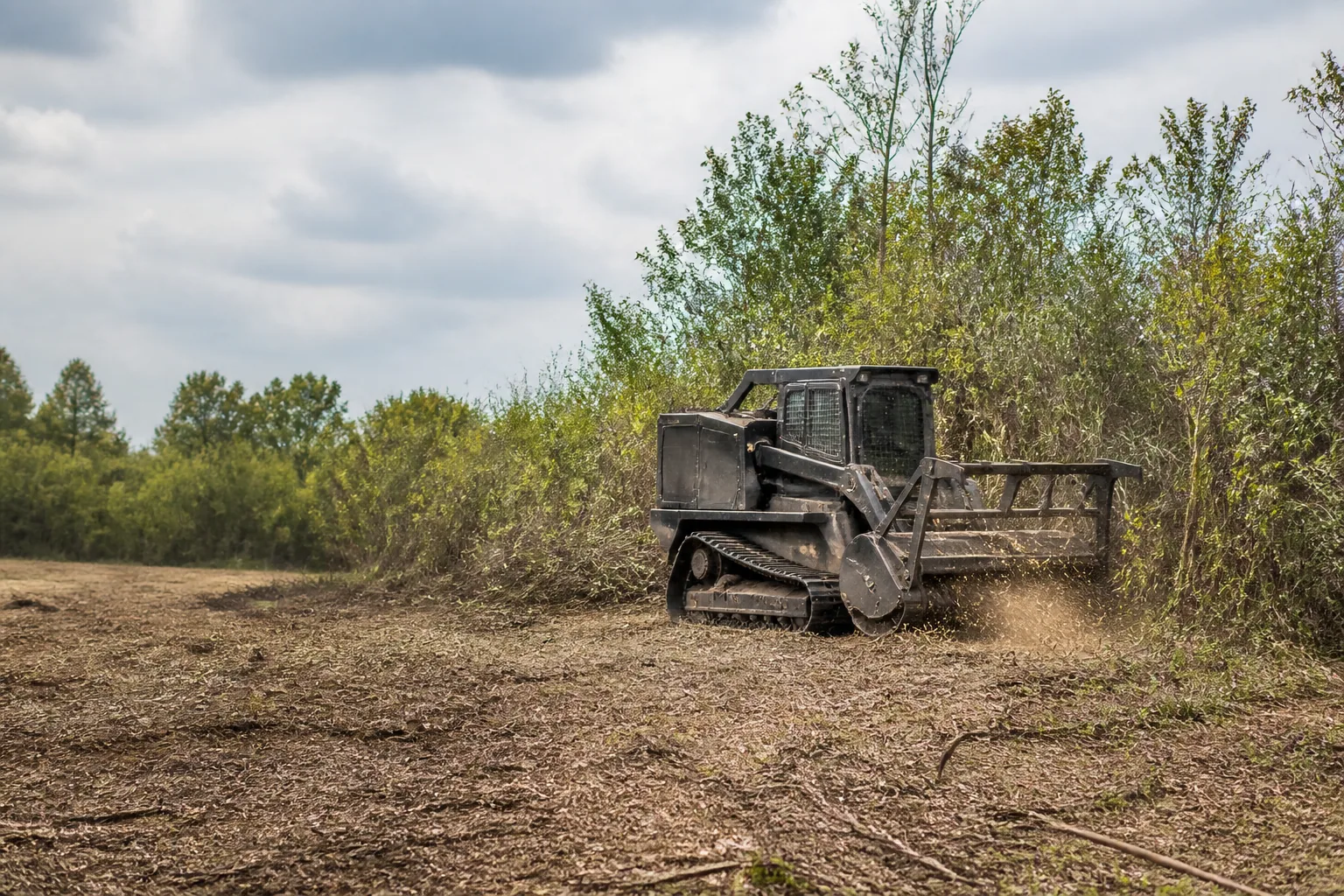
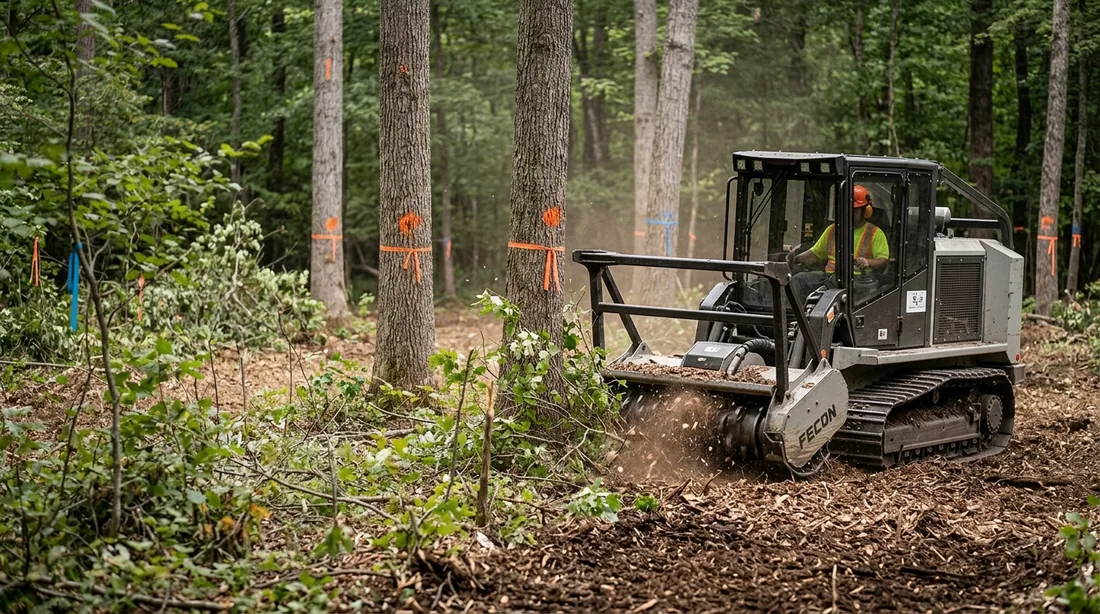
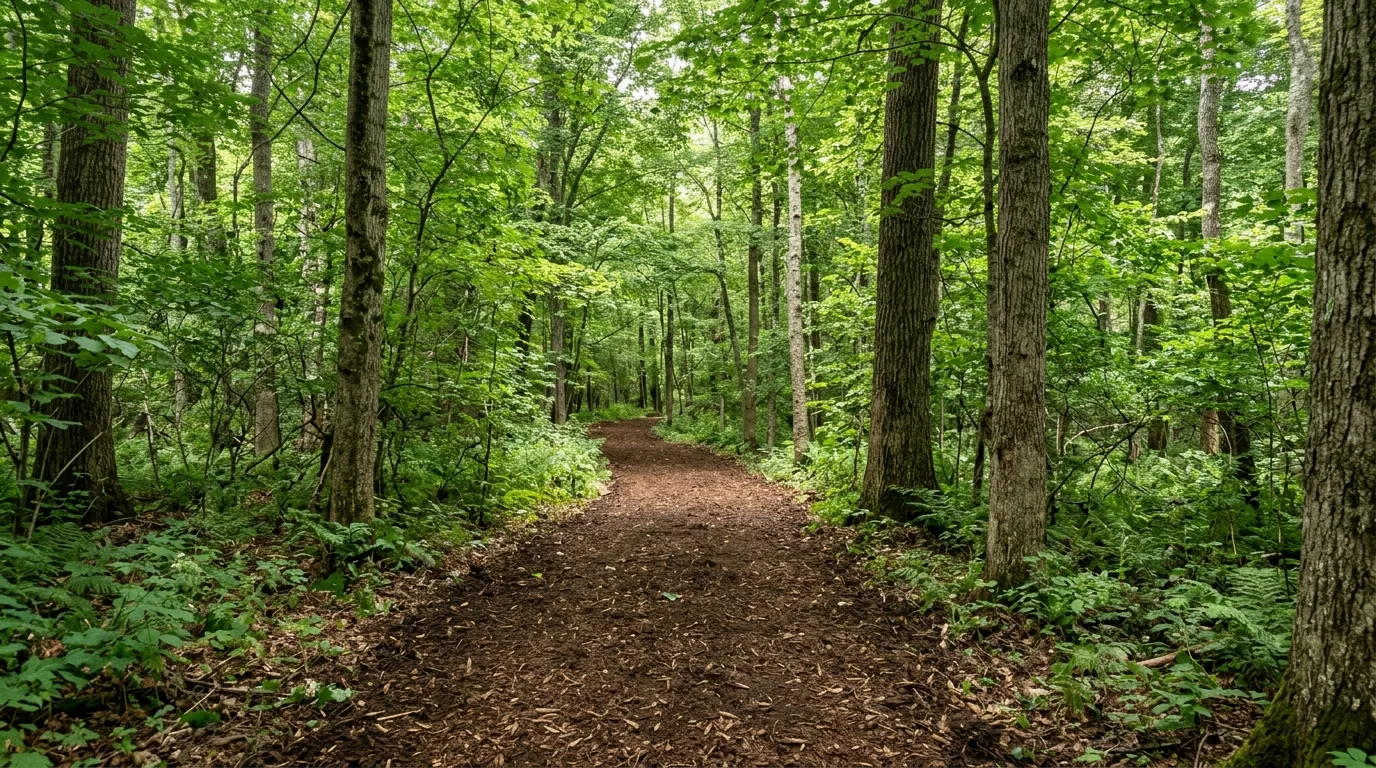
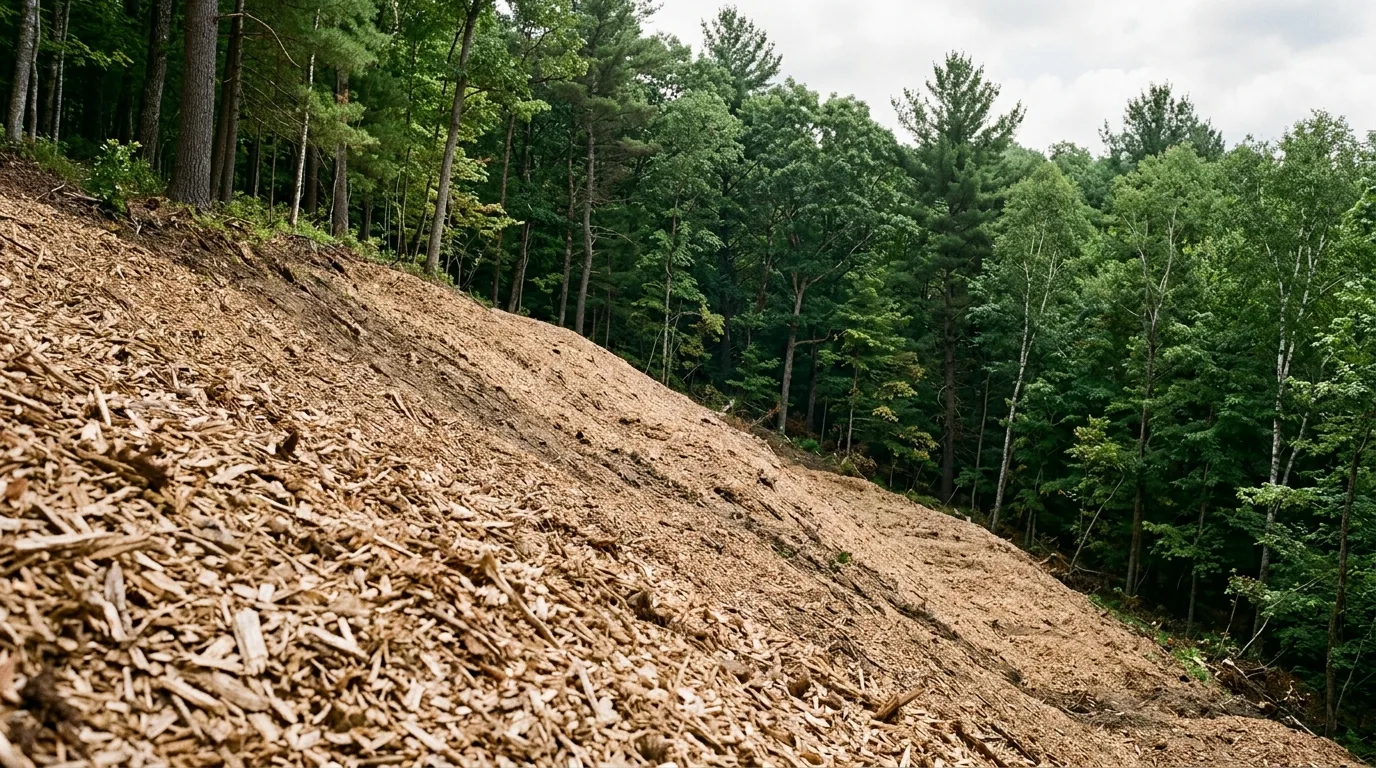
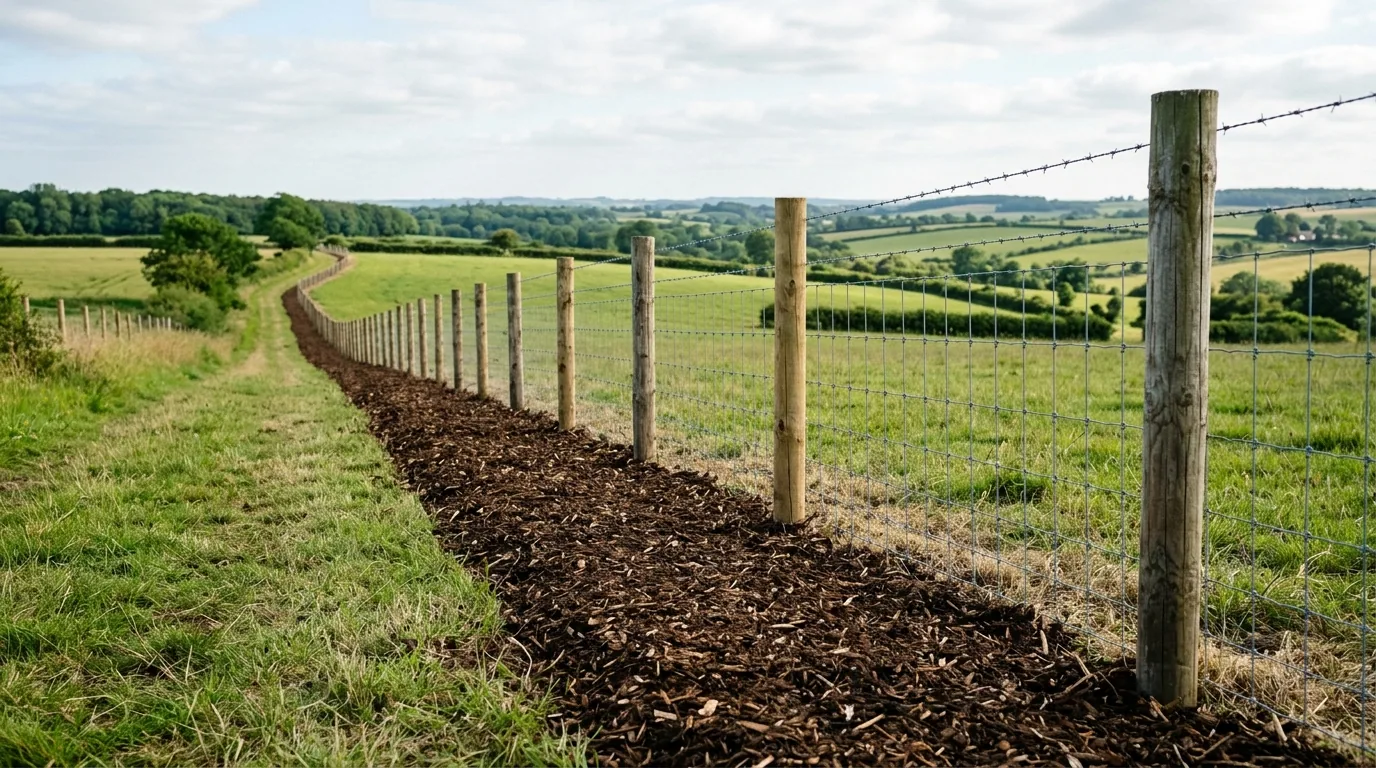
Forestry mulching grinds standing brush, saplings, and small trees into chips that stay on the ground. It suits overgrown acreage, fence lines, trail corridors, and lots being reclaimed without hauling debris off site.
Calls go straight to the local company that does this work. No call center, no fee to you.
The short version
Forestry Mulching & Brush Clearing, explained
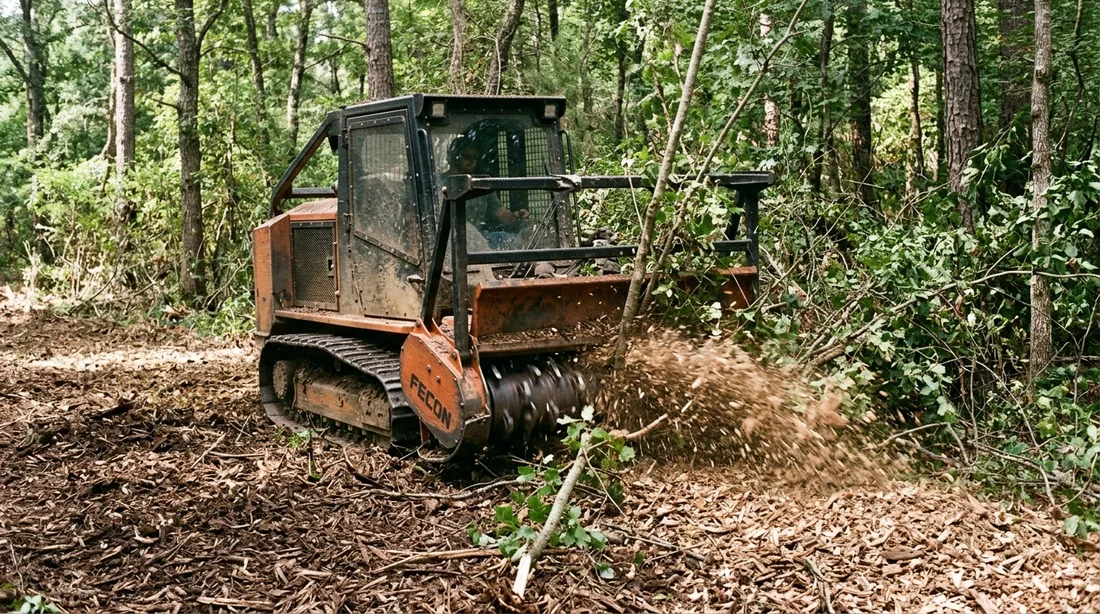
A mulching head is a drum of carbide teeth spinning on the front of a skid steer or tracked carrier. It cuts material standing up and grinds it down in the same pass, so nothing gets piled, burned, or trucked away. That single fact is why mulching often beats dozer-and-burn clearing on price: there is no debris handling, no burn permit, and no tipping fee at the landfill.
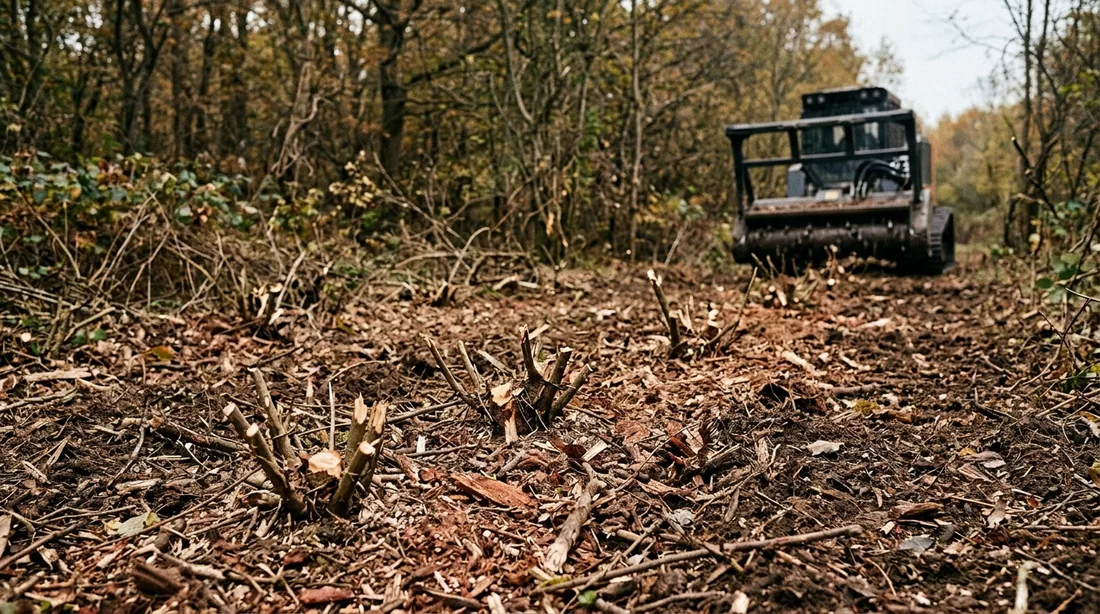
The tradeoff is that mulching does not remove roots. Stumps stay in the ground under the chip layer, and anything that resprouts from a root crown will come back. For a pasture, a food plot, a trail, or a view cut, that is fine. If the ground has to be graded, built on, or plowed, mulching is a first step and grubbing or stump grinding is a second one.
Standing brush and saplings
Stems from grass height up to roughly eight inches in diameter go down in one pass, with the chips spread across the ground where the material stood.
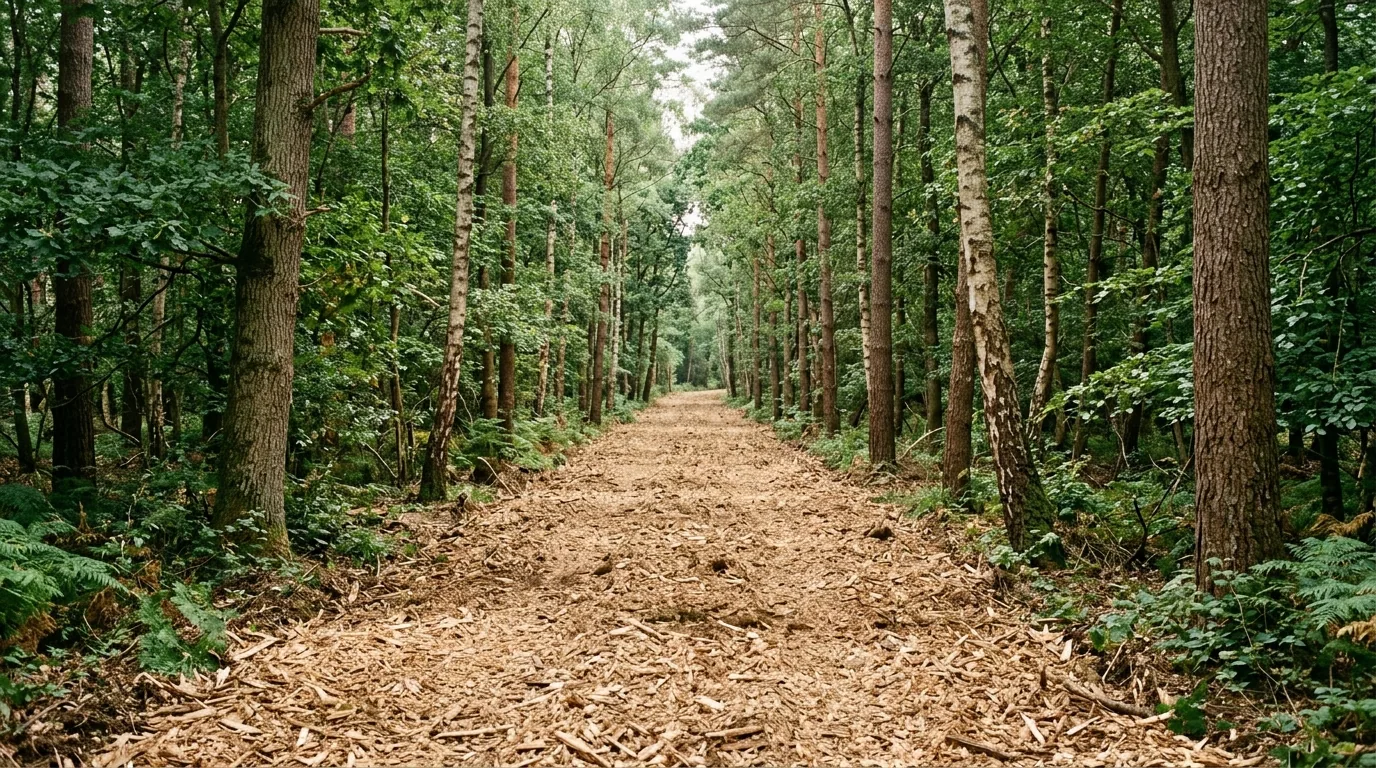
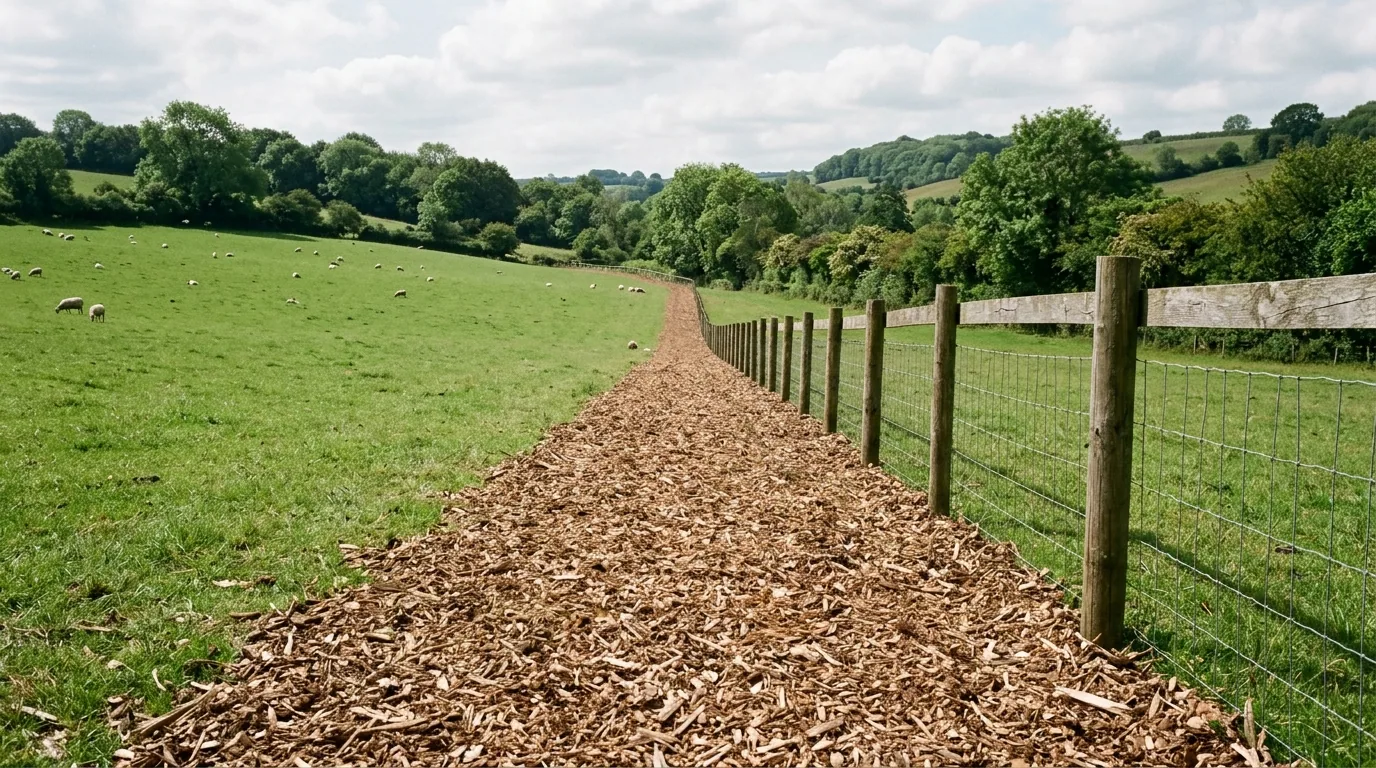
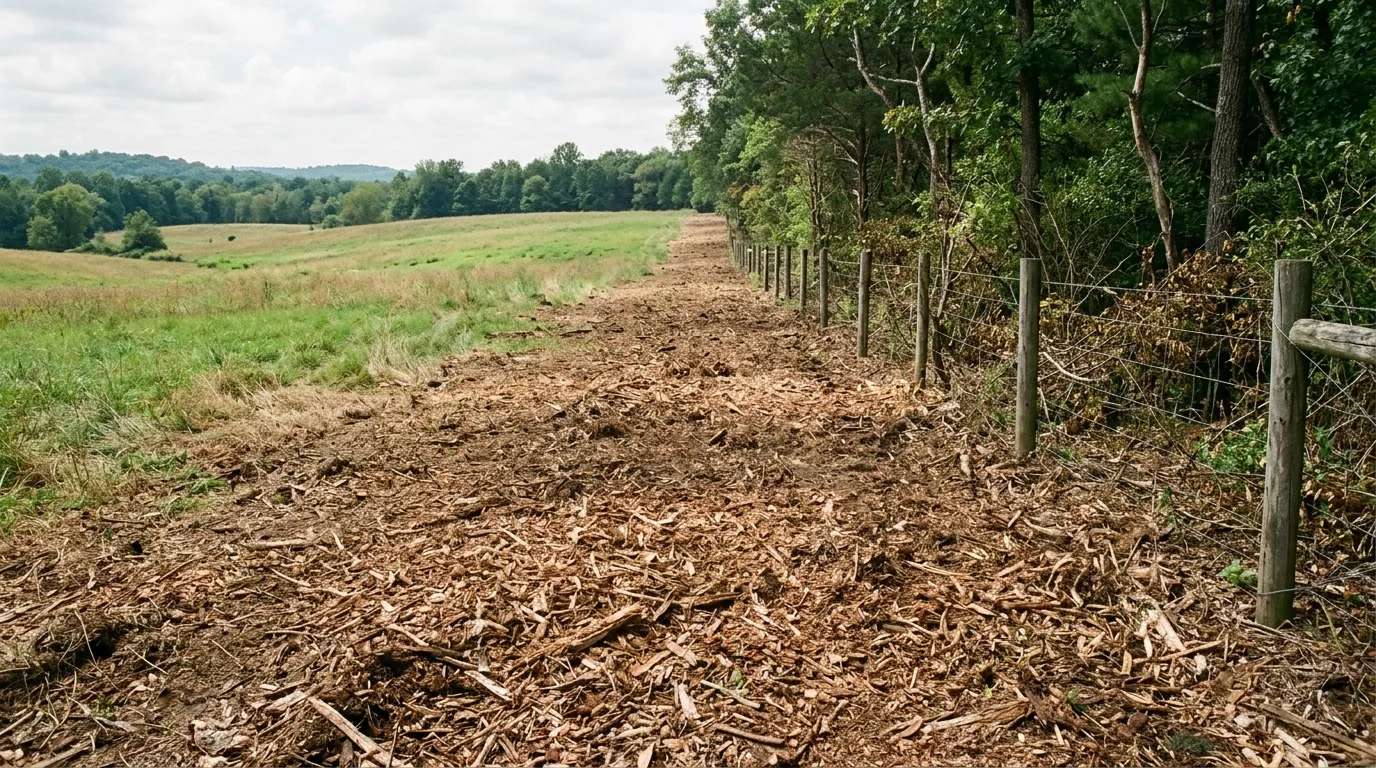
Fence lines and trail corridors
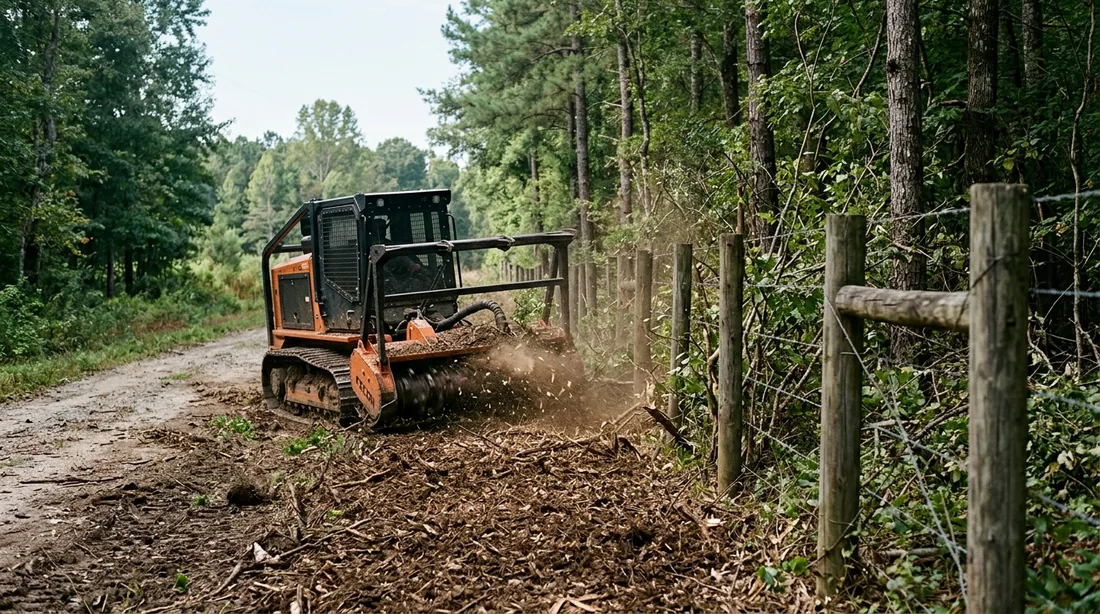
Narrow strips along fences, property lines, and access roads. These are usually billed hourly rather than per acre because the machine repositions constantly.
Invasive brush knockdown
Privet, honeysuckle, autumn olive, and multiflora rose ground down to the soil surface. Root crowns survive the pass, so regrowth is expected without herbicide follow-up.
Selective thinning
Marked keeper trees stay standing while everything beneath them is removed. This costs more per acre than a full clear because the operator works around obstacles.
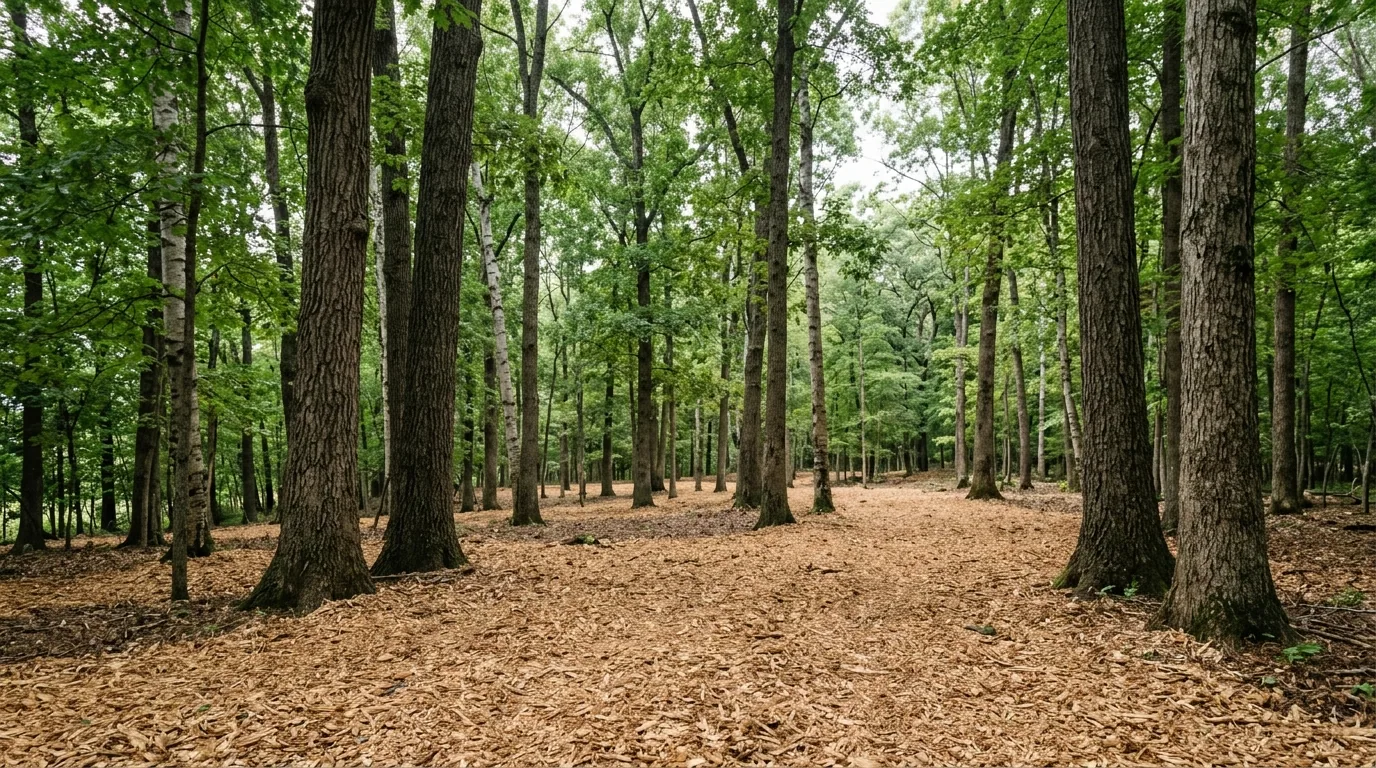
Mulch mat left in place
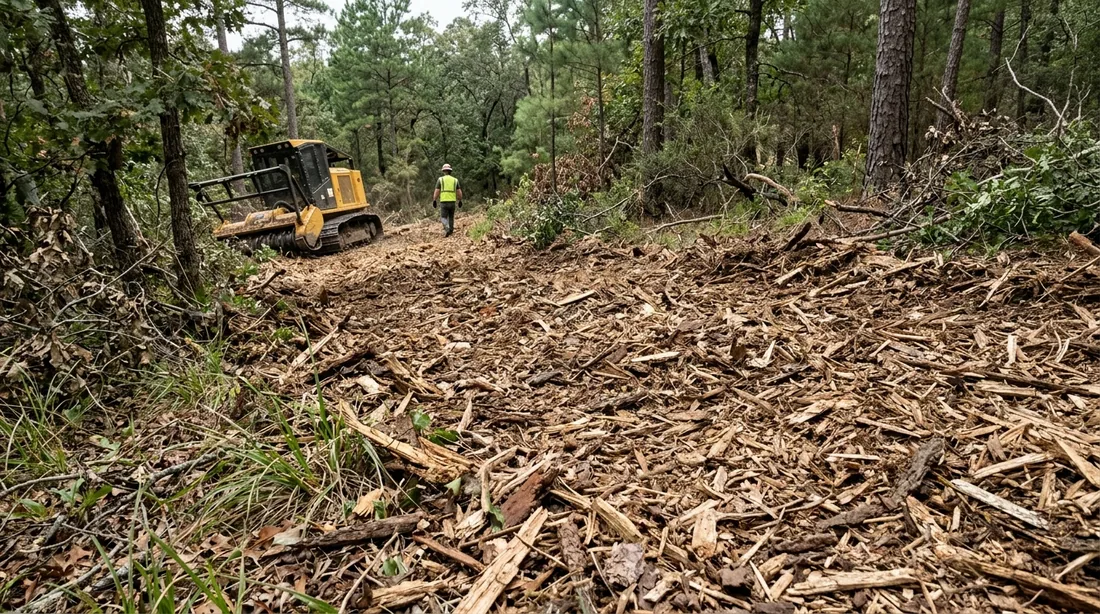
Chips remain on the ground as erosion cover and break down over one to three seasons. No burn piles, no dump trailers, no landfill charges.
Budgeting
What it costs
These are HomeAdvisor's published national figures. The low and high columns are its published range; the middle column is its stated $500 per acre national average scaled by acreage. Permits run $100 to $500 where required and are not included. Stump grinding, boulder removal, and grading are separate. Any real number comes after someone walks the ground.
| Scope | Typical range | Most common |
|---|---|---|
| Half acre | $200 – $750 | $250 |
| One acre | $400 – $1,500 | $500 |
| Two acres | $800 – $3,000 | $1,000 |
| Five acres | $2,000 – $7,500 | $2,500 |
| Ten acres | $4,000 – $15,000 | $5,000 |
Ranges compiled from HomeAdvisor, Forestry Mulching Cost (updated June 19, 2026), GreenPal, Bush Hogging Pricing Guide (forestry mulching section). Reviewed 2026-07-18.
Springfield specifics
What is different about this work in Springfield
Local climate and building stock change how this job is specified. These figures come from the Census Bureau and NOAA climate normals for Springfield.
- At about 37.4 inches of rain a year, the ground here holds moisture long enough that scheduling matters: a tracked machine on saturated soil will leave ruts that outlast the brush it removed.
- With roughly 37.4 inches of annual rainfall feeding regrowth, cut root crowns on privet and honeysuckle push new stems fast, so plan the herbicide follow-up for the same season rather than the next one.
Scoping
Do you actually need this done?
The most expensive mistake is paying for the wrong scope. Here is how the usual symptoms sort out.
Process
How the job runs
Walk the boundary first
The operator should walk or drive the property lines with you before quoting. Mulching the neighbor's brush by mistake is a real and expensive problem on unmarked rural lots.
Mark keepers and hazards
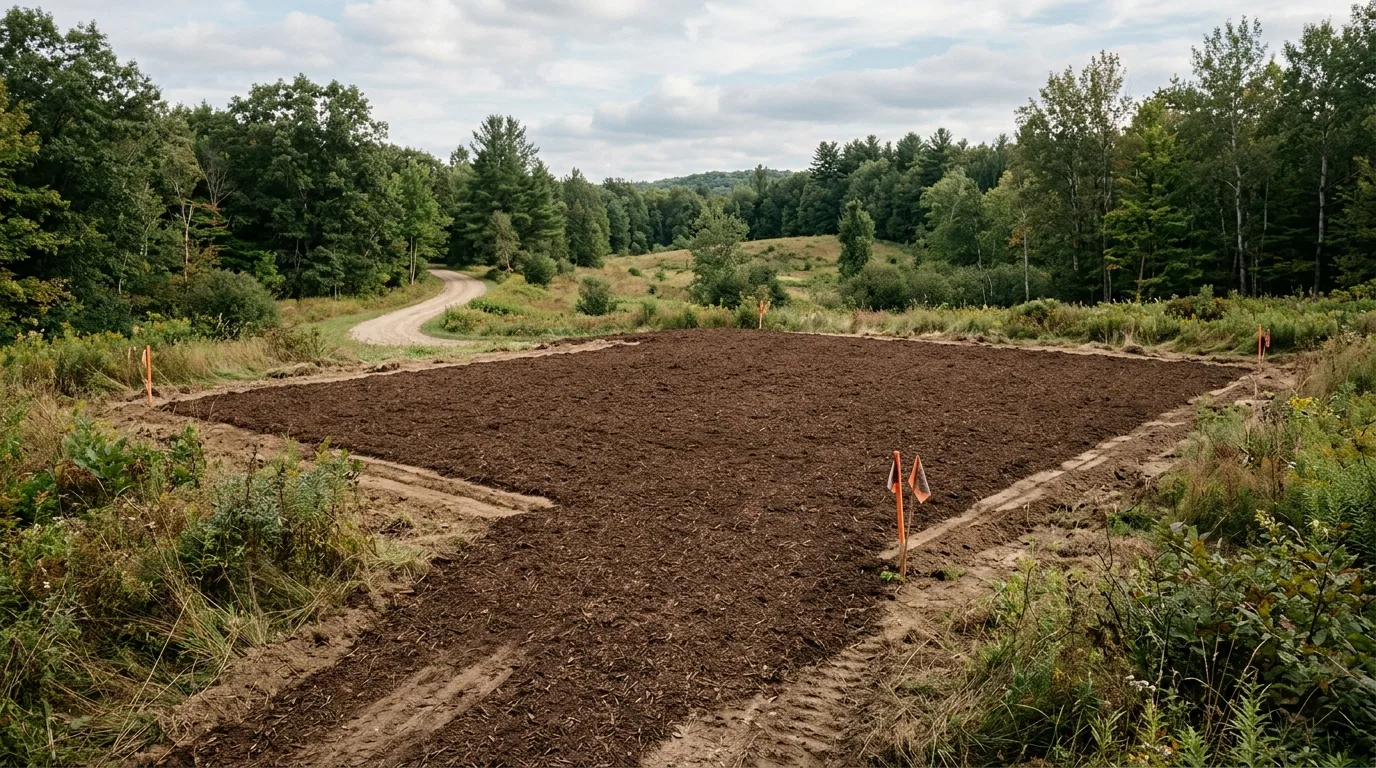
Trees to save get flagging tape. So do wellheads, septic lids, buried lines, survey pins, and drain field edges. Call 811 for utility locates before any machine touches the ground.
Perimeter pass
The crew cuts an outside lane first to establish clean lines and give the machine room to turn. This is also when unmarked obstacles usually turn up.
Interior grinding
The machine works the interior in overlapping lanes, dropping stems and grinding them where they fall. Larger trees get cut down first, then processed on the ground.
Finish pass and walk-through
A second pass evens out the chip mat and knocks down high stobs. Walk the site with the operator before the trailer leaves and point out anything left standing.
Common questions
Questions people ask
How much does forestry mulching cost per acre?
HomeAdvisor puts the national range at $400 to $1,500 per acre with an average around $500. Hourly work runs roughly $125 for light underbrush to $400 for heavy dense material. The spread is wide because stem diameter and slope drive production rate more than acreage does. A quote given without a site walk is a guess.
Does forestry mulching kill the roots?
No. The head grinds everything at or slightly above the soil surface and leaves the root system intact. Species that resprout from root crowns will come back, sometimes with more stems than before. If the goal is permanent removal of a species, mulching needs to be paired with a herbicide treatment on the cut stumps or on the regrowth.
Is mulching cheaper than traditional land clearing?
Usually, for brush and small trees. Dozer clearing means piling, burning or hauling, and disposal fees, and it strips topsoil. Mulching skips all of that and leaves the soil surface intact. Where mulching loses is on large-diameter timber and on sites that need to be graded flat anyway, since the stumps still have to come out.
How thick is the mulch layer left behind?
It depends on how much material was standing. Light brush leaves an inch or two. A dense stand can leave six inches or more, which is thick enough to smother new grass seed for a season. Ask the operator to spread heavy accumulations or make an extra pass if you plan to seed soon after.
Can a mulcher work on a slope?
Tracked carriers handle steeper ground than wheeled skid steers, but every operator has a limit and it is usually somewhere around 30 degrees. Wet slopes are worse than dry ones. Anyone who says slope makes no difference to the price is either not looking at your site or planning to renegotiate later.
Next step
Get a real number for your project
Ranges only go so far. Someone has to look at the actual job.
What this site is
Springfield Forestry Mulching is a referral site, not a contractor. We do not hold a license, own a truck, or send a crew. We research forestry mulching pricing and practice, publish what we find, and hand your request to the local company we work with in Springfield.
That company quotes, schedules, and stands behind its own work, and it contracts with you directly. We do not mark up the price, and you pay us nothing.